


Living Organ Donation: Kidney & Liver
On this page
Get care
Why choose UCSF Health for organ donation?
The UCSF Center for Living Organ Donation has performed hundreds of living donor kidney and liver transplants and is one of the most active and innovative transplant centers in the U.S. Our surgeons are skilled in both traditional and minimally invasive approaches to kidney and liver donation surgery.
Minimally invasive techniques, which support faster and easier recovery for donors, are used in most cases. Occasionally, traditional open surgery is necessary due to the donor's individual anatomy.
We recognize the extraordinary generosity involved in organ donation and honor it by ensuring donors receive the best possible care throughout the process, from evaluation through recovery. All donors are carefully screened to make sure donation is right for them, physically and emotionally. This includes medical tests and consultations with doctors, a social worker and, in some cases, a transplant psychologist.
As an additional safeguard, donors are assigned an independent living donor patient advocate who is not part of the transplant team. Prospective donors may change their decision at any point in the process.
In the decades since the first successful living donor organ transplant, advances have made these procedures easier and safer for both donors and recipients. UCSF has been at the forefront of these innovations, and our expertise is reflected in our excellent outcomes.
Why choose UCSF Health for organ donation?
The UCSF Center for Living Organ Donation has performed hundreds of living donor kidney and liver transplants and is one of the most active and innovative transplant centers in the U.S. Our surgeons are skilled in both traditional and minimally invasive approaches to kidney and liver donation surgery.
Minimally invasive techniques, which support faster and easier recovery for donors, are used in most cases. Occasionally, traditional open surgery is necessary due to the donor's individual anatomy.
We recognize the extraordinary generosity involved in organ donation and honor it by ensuring donors receive the best possible care throughout the process, from evaluation through recovery. All donors are carefully screened to make sure donation is right for them, physically and emotionally. This includes medical tests and consultations with doctors, a social worker and, in some cases, a transplant psychologist.
As an additional safeguard, donors are assigned an independent living donor patient advocate who is not part of the transplant team. Prospective donors may change their decision at any point in the process.
In the decades since the first successful living donor organ transplant, advances have made these procedures easier and safer for both donors and recipients. UCSF has been at the forefront of these innovations, and our expertise is reflected in our excellent outcomes.
Get care
Minimally invasive donation
Our center has decades of experience in minimally invasive surgical techniques that make recovery faster and easier for donors.Collaborative care
Donors are cared for by surgeons, hepatologists or nephrologists, social workers, transplant psychologists, nurse coordinators and donor advocates.Excellent outcomes
Survival rates for people who have a living donor transplant at UCSF Health are consistently among the highest in the country.Leading-edge approach
UCSF has been at the forefront of many innovations that have made organ transplants easier and safer for donors and recipients.
Why become a living donor?
On average, 17 people in the U.S. die each day while waiting for an organ transplant. By becoming a living donor, you give someone an extraordinary gift: a second chance at life.
Living donation is possible because of the body's remarkable adaptability. When you donate a kidney, your remaining kidney compensates by growing larger and taking over the work of both kidneys. When you donate part of your liver, the remaining portion regenerates to its normal size and function within a few months.
Living donors have the same life expectancy, overall health and organ function as people who haven't donated. For recipients, receiving an organ from a living donor improves their chances of a successful transplant and long-term survival.
First steps for kidney donors
Check your eligibility
Start with our quick, confidential online health history questionnaire to see if you may be eligible to donate a kidney.
Learn what to expect
Review detailed information about kidney donation in our informed consent PDF, including risks and what to expect at each step.
First steps for liver donors
Check your eligibility
Start with our quick, confidential online health history questionnaire to see if you may be eligible to become a living liver donor.
Learn what to expect
Review detailed information about liver donation in our informed consent PDF, including risks and what to expect at each step.
To reach our team, please send us an email at [email protected]. You will receive a response within two business days.
Explore what we do
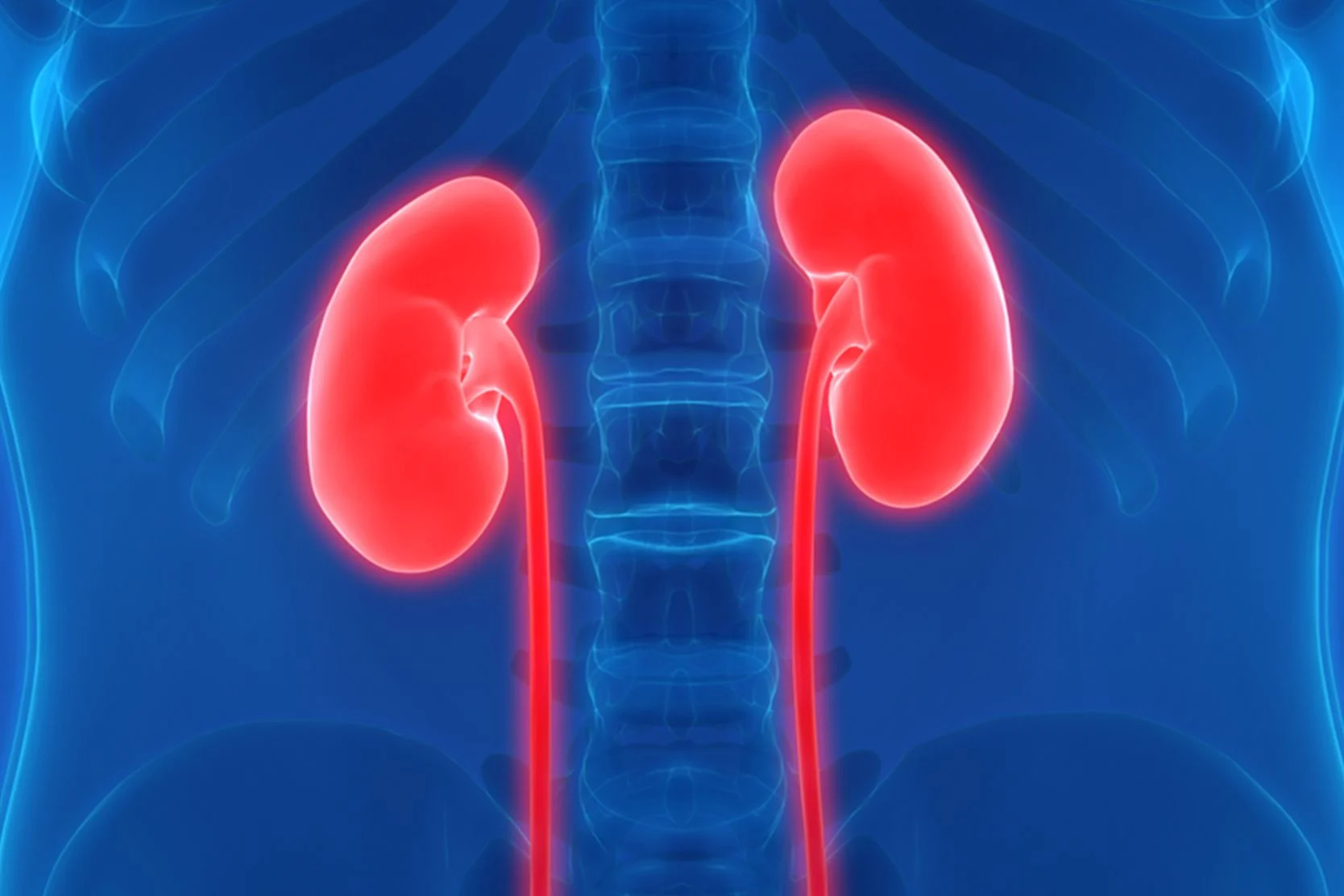
Living Donor Kidney Transplant
Nationally, more than 70,000 patients are on the kidney transplant waiting list, and more are added each year. Find more treatment information here.
Living Donor Liver Transplant
Learn how living liver donation works, who can become a donor and what to expect from the evaluation process.
Excellence in patient care

Among the top hospitals in the nation
Best in Northern California and No. 8 in the nation for gastroenterology & GI surgery

"Elite" rating (highest) among designated programs of excellence

"Elite" rating (highest) among designated programs of excellence
Related services
Research initiatives
UCSF Division of Transplant Surgery ResearchOpens in a new window
The UCSF Division of Transplant Surgery conducts research aimed at expanding medication options, refining surgical techniques and improving methods of preventing transplant rejection.